
CASE STUDY · DEVELOPER TOOLING

Making advanced security testing usable for developers

Company Code Intelligence
Role Product Design Lead
Domain AI-driven Security Testing
Users Software developers · Security teams
Core challenge Technical abstraction · Workflow clarity
Contributions Research · Design · Leadership · DesignOps
Outcome Task success rate: 70 % → 85 % · User satisfaction: 74 % → 85 %
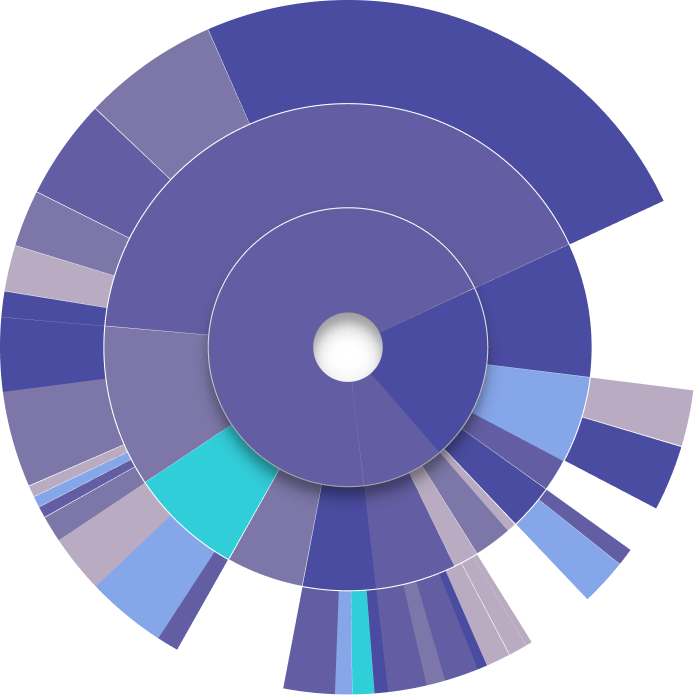
Sunburst Chart — Security Testing Visualization

The first designer, building the design function from scratch

As the first designer at Code Intelligence, I introduced a product design process and embedded user-centred design across the company. Beyond shaping individual features, I established how design works here: research practices, decision-making informed by real user needs, and a shared understanding of why usability matters in a deeply technical product. I also built and led a small design team from the ground up, growing design from a single role into an established function — not just a downstream delivery step.
A technically demanding product with high usability requirements

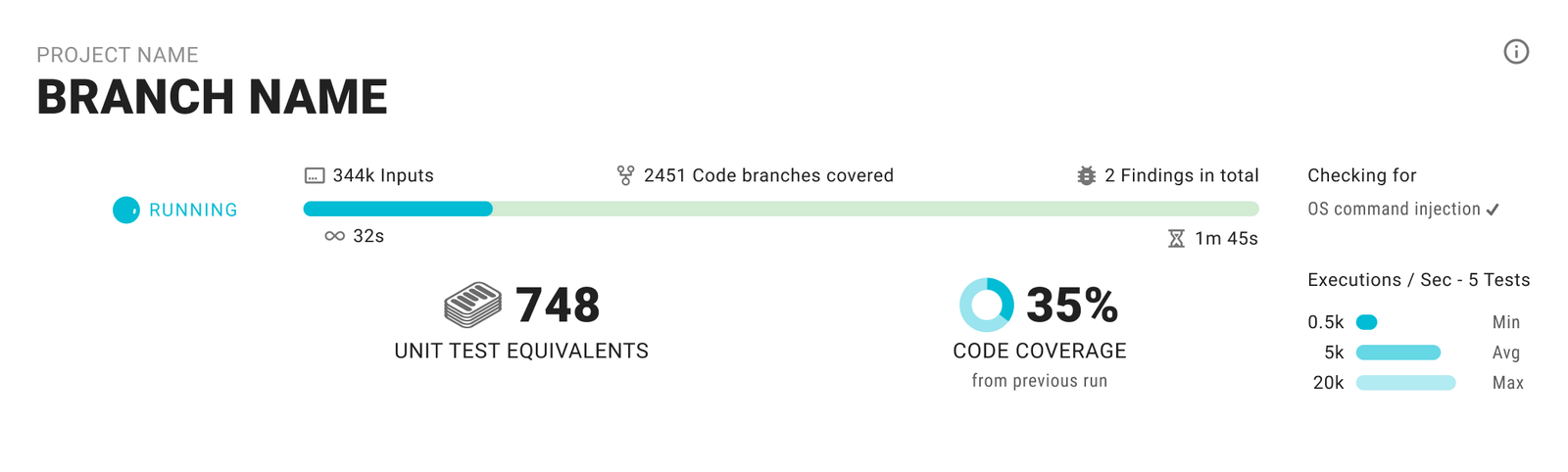
Code Coverage Visualization
Image: Code coverage visualisation showing the distribution of security findings across tested code branches (nodes). A synthetic KPI illustrates the reduction in effort required to write unit tests.

At Code Intelligence, I worked on an AI-driven security testing platform used by engineering teams at Google, Deutsche Telekom and CARIAD.

The platform operated in a technically demanding environment where usability depended on turning abstract security concepts and advanced fuzz-testing logic into understandable, actionable workflows. The core challenge was not simplification — it was translation. Users needed to understand what the system was doing, why findings mattered, and what to do next. Hiding complexity wasn't an option; structuring it was.

Research, structure and design leadership

In practice, the work centred on structuring the product experience, clarifying key flows and turning advanced testing logic into decisions developers could act on.

This meant working closely with engineers and security experts to understand the underlying logic — and then finding interaction patterns that could surface that logic clearly for developers who weren't security specialists.

The result is a product that respects its technical depth while staying usable for the people who rely on it daily.

Measurable gains in usability and adoption

  • Task success rate: 70 % → 85 %
  • User satisfaction: 74 % → 85 %
  • Validated in A/B tests

These gains came from clearer key flows and better translation of technical depth into actionable steps. Just as importantly, the company's understanding and adoption of user-centred design grew measurably — improving how fuzz testing is created, applied and integrated across teams.

"I really loved this solution: it solves a lot of user problems, reduces time to value, and literally shows how cool fuzz testing is."

← All work Next case AI-driven Legal Analytics →